
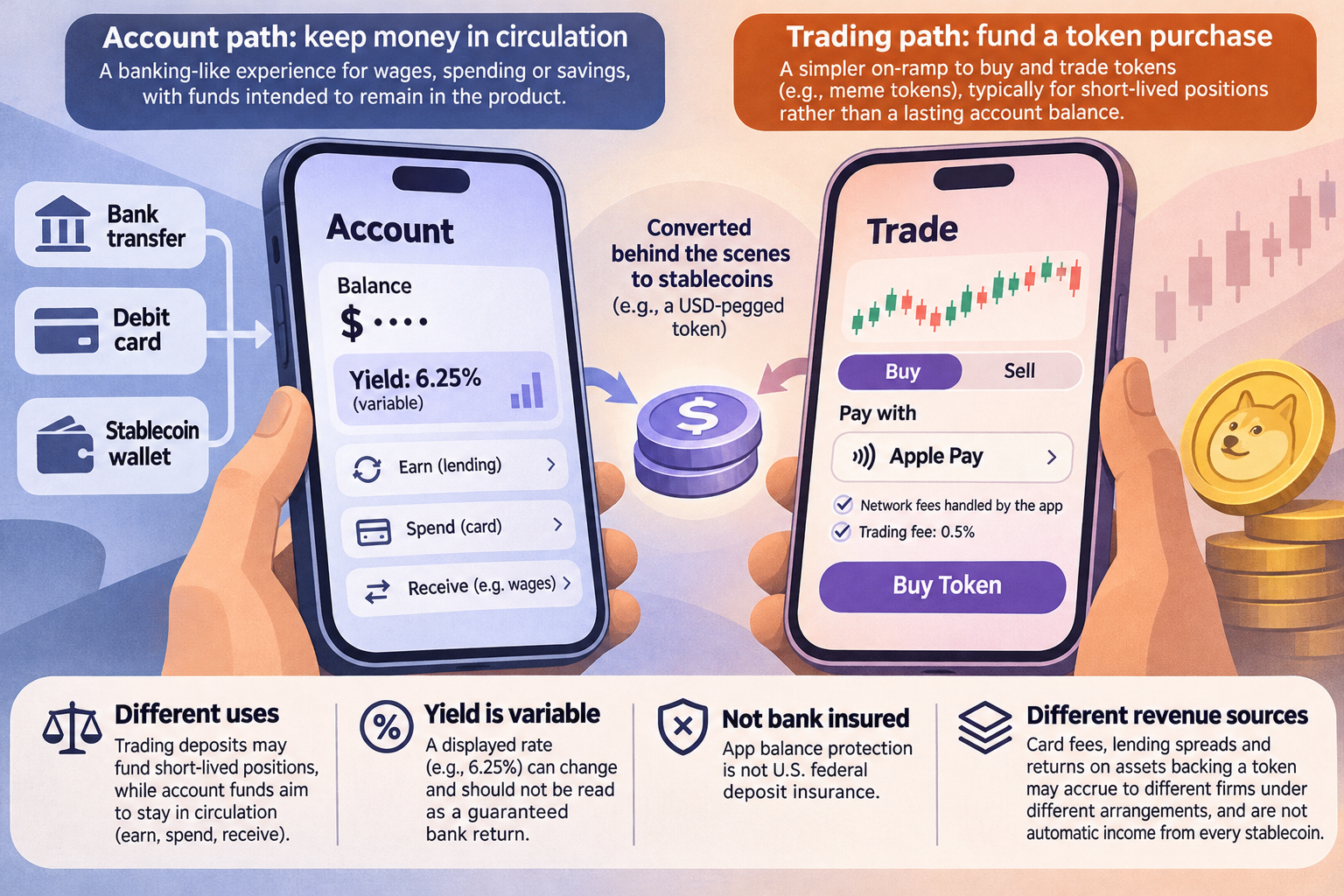
As reported on November 23, 2026, crypto firms were increasingly using mobile apps to bring users into trading, lending and payments. The important distinction is what happens after money enters an app: a trading deposit may fund a short-lived position, while an account designed for wages, spending or savings aims to keep funds in circulation within the product.
From a trading button to a funding route
Hyperliquid lets third-party apps route orders to its exchange and add their own transaction fee. Phantom introduced that feature in July 2025. According to the figures cited in the original report, more than 210,000 users had tried it by the time of writing, generating $29.17 million in fees for Phantom. The report also cited an October 2026 analysis of nearly 400,000 wallets trading Hyperliquid contracts through six major apps: together, they had lost $280 million. Those figures describe trading activity, not a stable source of returns for users.
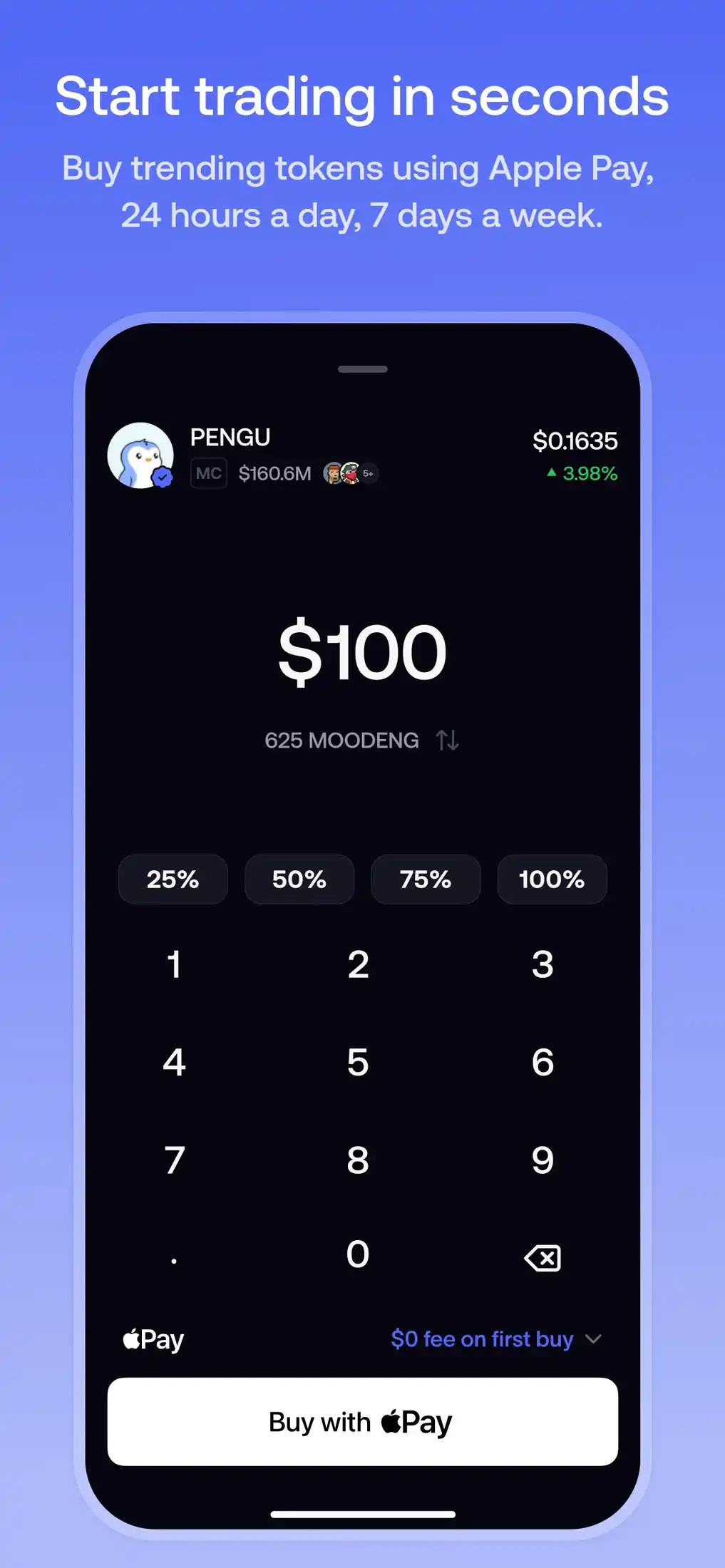
Fomo took a different approach to getting people started. Launched in May 2025, the meme-token app added Apple Pay the following month. Users could fund purchases without first buying USDT on an exchange or selecting a blockchain; Fomo handled network fees and charged 0.5% per trade. Co-founder Paul Erlanger later told TechCrunch that users and revenue rose substantially after Apple Pay was added. Funding a purchase, however, is different from providing an account where money can remain.
Aave’s account-like app
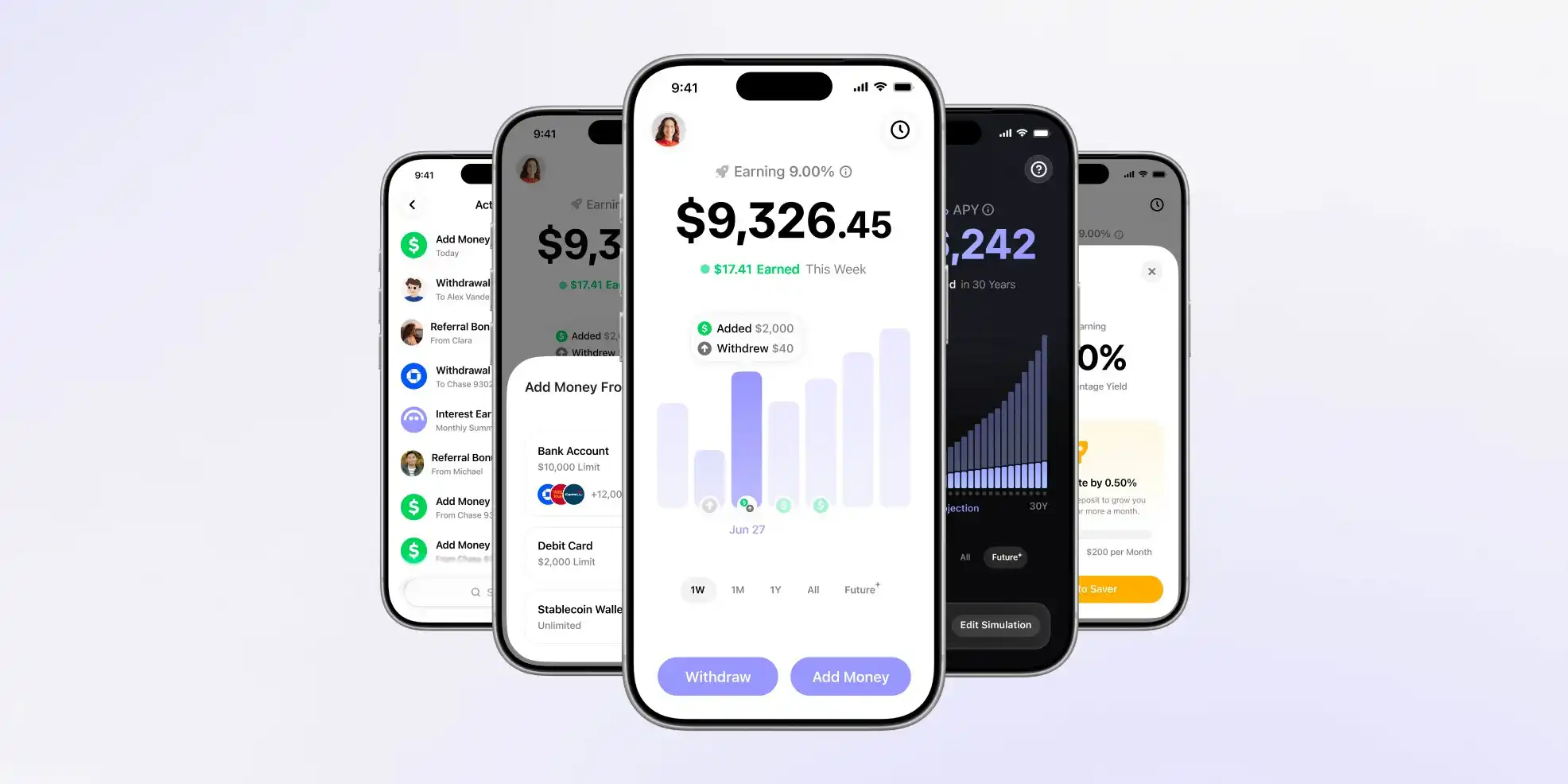
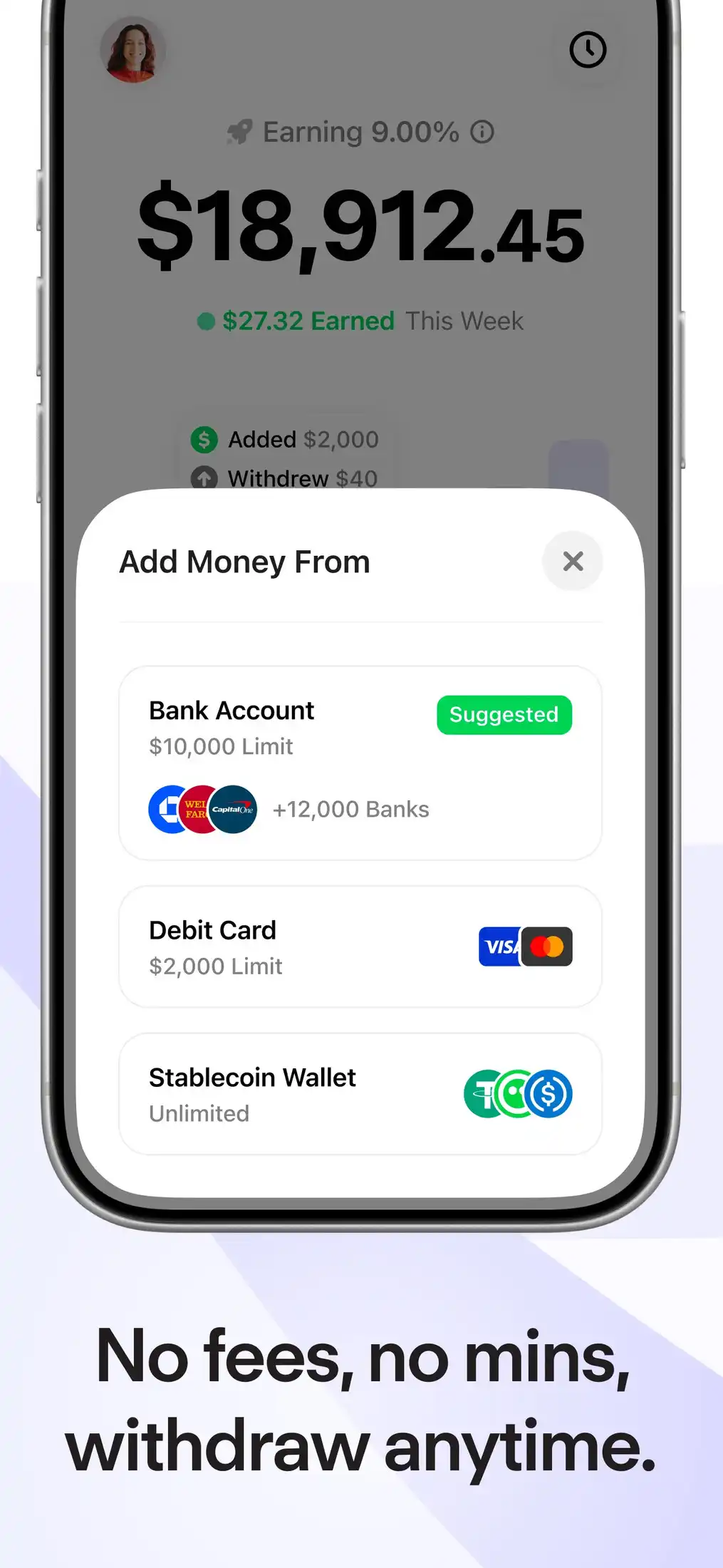
Aave’s developer announced plans for an iPhone app on November 17, 2025, and the report says the first users gained access in August 2026. Its described funding options include bank transfers, debit cards and stablecoin wallets. Bank deposits are converted into stablecoins behind the scenes, rather than requiring users to manage a wallet connection and choose a chain themselves.
The rate and the protection terms matter as much as the simpler interface. Aave advertised a 5% minimum and 9% maximum yield when announcing the app; at the time of the November 2026 report, its page showed 6.25%, marked as variable. The app’s balance protection is not US federal deposit insurance. A displayed yield should not be read as a guaranteed bank-account return.
Other firms were building routes for money to enter and leave crypto products. In October 2026, ether.fi announced a MoonPay-powered funding arrangement under which users would receive virtual account and routing numbers. Ethena described virtual European account details for deposits in euros, yen and Brazilian reais. These arrangements are relevant to stablecoins because they can make conversion and settlement part of an account experience, rather than a separate task for the user.
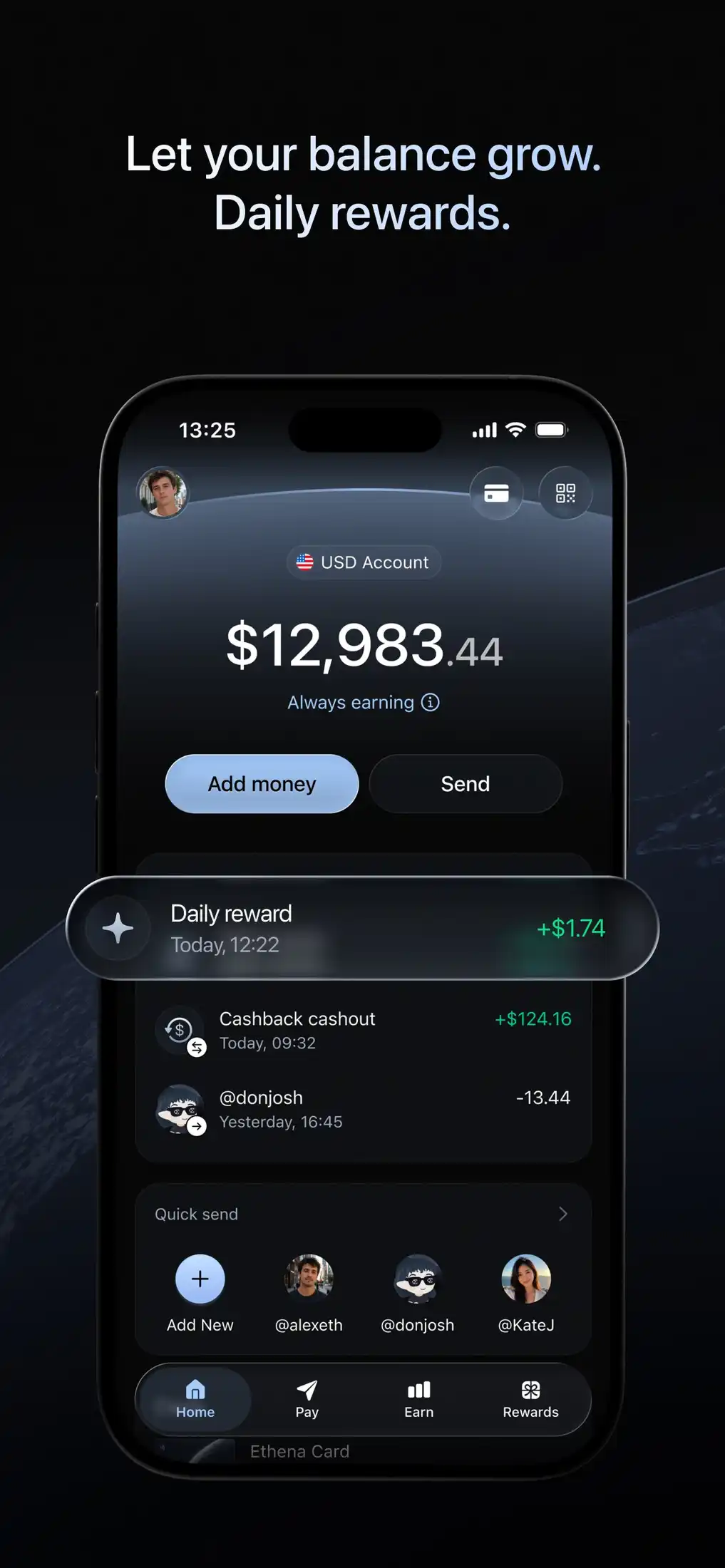
The business models also differ. Card fees, lending spreads and returns on assets backing an issuer’s tokens may accrue to different firms under different arrangements; they should not be treated as automatic income from every stablecoin. Ethena, which issues USDe, said when introducing Ethena Pay in September 2026 that its tokens had previously reached holders through other companies’ products. Its move into an app was also a move to control that customer interface.
Meanwhile, the report said Coinbase had received final US approval on November 9, 2026, to establish a national trust bank. A trust bank’s custody role is narrower than that of a conventional deposit-taking and lending bank. The reported approval does not, by itself, make crypto app balances insured bank deposits. Across these products, a familiar mobile screen may simplify access, but it does not erase differences in custody, redemption, yield or legal protection.