In June 2026, Binance Wallet and tokenization platform xStocks collected $557 million in USDC from 27,689 distinct wallet addresses for SPCXx, an offering tied to SpaceX’s Nasdaq debut. The bottleneck was not payment: the third-party supplier could not secure enough underlying shares. Binance canceled the offering, returned the USDC and distributed $1 million worth of SPCXB, a separate token issued by its Abu Dhabi entity.
In an analysis published on November 27, 2026, Principia Research examined whether Binance’s operations in Abu Dhabi Global Market (ADGM) could support a different model: companies issuing new securities directly to investors who pay in stablecoins. Principia identified licenses, securities filings and hiring that point in that direction. It did not report a completed primary offering under that model.
Where stablecoins fit in the settlement process
Binance.com’s move under ADGM supervision was approved in December 2025 and took effect on January 5, 2026. The structure separates trading from settlement. Nest Exchange operates the trading venue, while Nest Clearing and Custody acts as a recognized clearing house and central securities depository. Nest Trading, the broker-dealer, can deal as principal or agent and arrange investment transactions.
The broker’s license sets an important boundary. According to Principia’s reading of the Financial Services Regulatory Authority’s register, Nest Trading cannot hold or control conventional client fiat money. Its money-services permission is limited to recognized fiat-referenced tokens such as USDC. Principia argues that those terms could accommodate same-day delivery versus payment: the investor receives the security only if the corresponding stablecoin payment settles. The license conditions do not, by themselves, establish that an issuer has used that process for an IPO.
Principia also identified Binance equity capital markets vacancies in the UAE. The duties included approaching prospective issuers and investment banks, conducting issuer due diligence and preparing pricing models. Those tasks concern the supply of new shares—the part of the SpaceX subscription that collecting USDC could not solve.
What Binance’s existing stock tokens represent
On June 11, 2026, the first bStocks issued by BTech Holdings entered ADGM’s Official List and began trading on Nest Exchange. The tokens run on BNB Smart Chain, but the underlying US shares remain within the US Depository Trust & Clearing Corporation system. Under paragraph 92 of Schedule 1 to ADGM’s Financial Services and Markets Regulations, the tokens are certificates representing specified financial instruments, not newly issued shares in the underlying companies.
The distinction matters for backing. According to Principia, the prospectus makes one-to-one segregated custody, regular reconciliation and proof of reserves enforceable disclosure and contractual obligations. Regulatory approval is not an independent guarantee that the assets are present. BTech Services handles minting and disclosures, and a contract adjustment mechanism accounts for stock splits and reinvested net cash dividends without requiring holders to exchange their tokens.
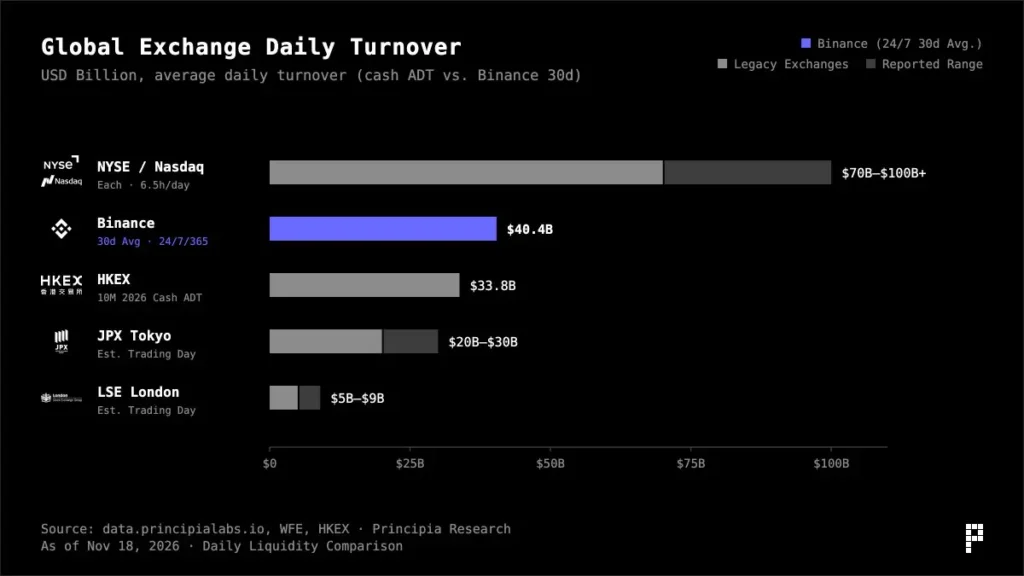
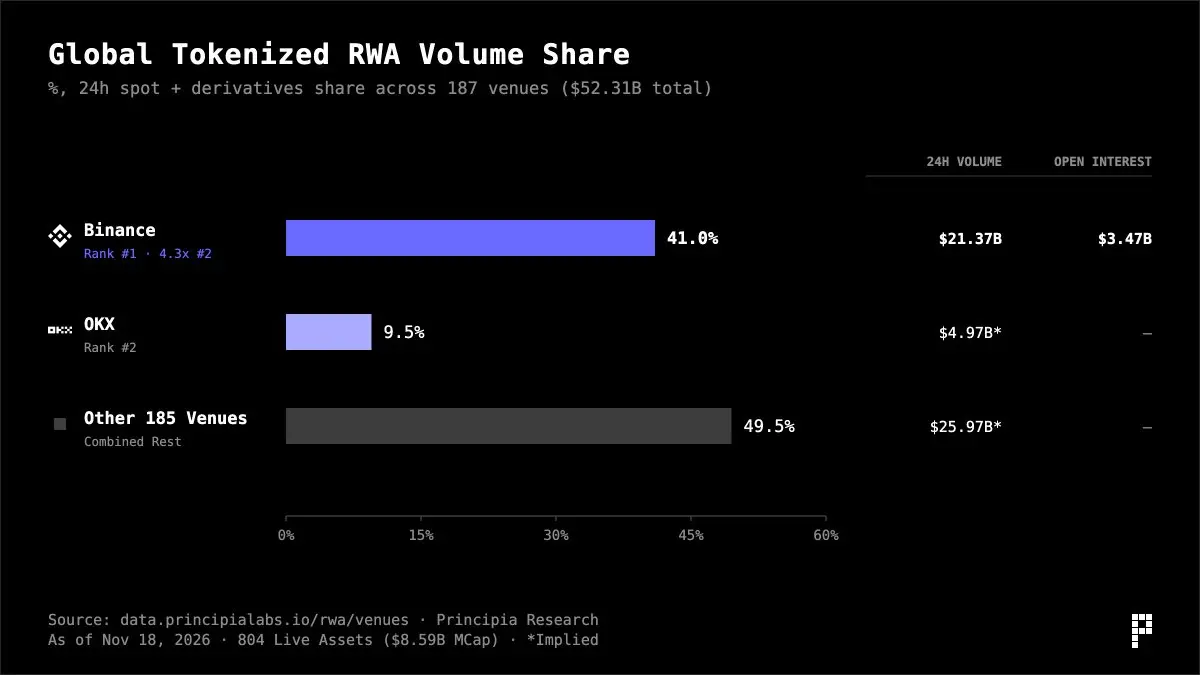
Principia reported that cumulative bStocks trading volume exceeded $30 billion by early September 2026, with more than half traded outside US equity market hours. That figure measures turnover in existing securities certificates, not capital raised by the companies whose shares they represent.
What would change for a new issuer
Principia sees smaller companies, rather than issuers the size of SpaceX, as the more plausible users of a stablecoin-funded offering. It cited ADGM fees of $20,000 for prospectus review and $3,000 for admission to the Official List. The $23,000 total excludes legal, audit and advisory costs.
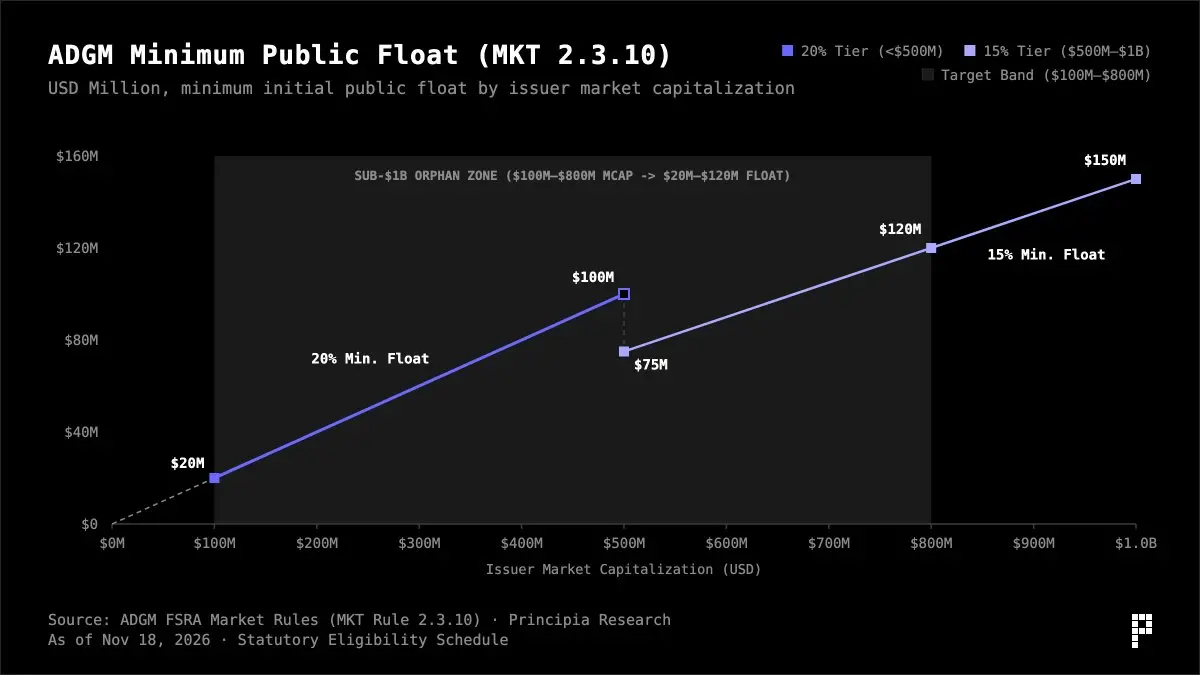
Public ownership rules would also shape an offering. Under ADGM Market Rule 2.3.10, issuers valued below $500 million must have at least 20% of their shares in public hands; the minimum is 15% for those valued from $500 million to $1 billion. Directors’ and related parties’ holdings, employee share-plan trusts and shares merely lent to market makers do not count toward that requirement.
For companies valued at $100 million to $800 million, Principia illustrated an initial public float worth $20 million to $120 million at the applicable minimums. Those are hypothetical offering sizes, not announced USDC raises. The evidence as of November 27 showed that investors had committed stablecoins to a subscription and that Binance could list certificates backed by existing shares. A company issuing its own new securities through that infrastructure remained a separate, unconfirmed step.